ED pills: Self‑Check Questionnaire, Risks & When to Seek Medical Advice
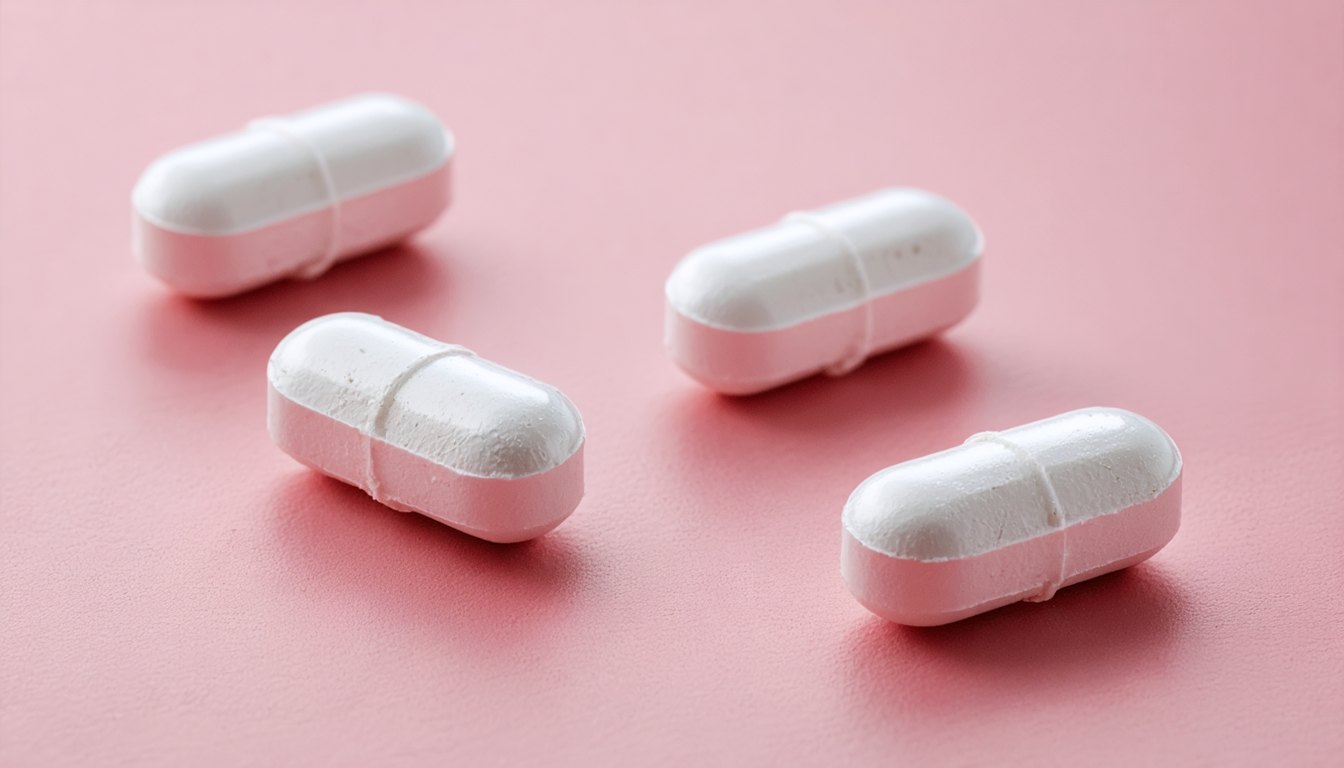
ED pills
Disclaimer: This self-check questionnaire is for informational purposes only. It does not diagnose erectile dysfunction (ED) or determine whether ED pills are appropriate for you. If you have doubts, ongoing symptoms, or underlying medical conditions, consult a qualified healthcare professional.
ED pills (oral medications for erectile dysfunction) are commonly prescribed treatments that improve blood flow to the penis. They may be helpful for some men, but they are not suitable for everyone. Use the checklist below to better understand your situation before discussing treatment options with a clinician.
Questionnaire: Is it time to discuss ED pills with a doctor?
- Have you experienced difficulty achieving or maintaining an erection sufficient for sexual activity?
- Have these difficulties persisted for more than 3 months?
- Do erection problems occur in most (over 50%) sexual attempts?
- Do you wake up with morning erections less frequently than before?
- Have you noticed reduced sexual desire (low libido)?
- Do you have chronic conditions such as diabetes, high blood pressure, high cholesterol, or heart disease?
- Do you smoke, vape, or use tobacco products regularly?
- Do you consume alcohol heavily or use recreational drugs?
- Have you recently experienced high stress, anxiety, or symptoms of depression?
- Are you taking medications such as antidepressants, blood pressure drugs, or prostate treatments?
- Have you had pelvic surgery, prostate surgery, or radiation therapy?
- Do you have pain, penile curvature, or other physical changes during erection?
- Do you feel performance anxiety or relationship tension related to sexual activity?
- Have lifestyle changes (exercise, weight loss, stress reduction) failed to improve symptoms?
- Have you ever been told to avoid sexual activity due to heart problems?
- Do you take nitrate medications (e.g., nitroglycerin) for chest pain?
How to interpret your answers
This checklist does not provide a diagnosis. Instead, it helps estimate how strongly you may benefit from professional evaluation.
Low reason to seek help
You answered “yes” to 1–3 questions, symptoms are occasional, and no major risk factors are present. Temporary stress or fatigue may play a role. Consider monitoring symptoms and improving lifestyle habits.
Medium reason to seek help
You answered “yes” to 4–7 questions or symptoms last longer than 3 months. There may be physical or psychological contributors. A primary care physician or urologist can help assess whether ED pills or other treatments are appropriate.
High reason to seek help
You answered “yes” to 8 or more questions, have chronic health conditions, take nitrates, or were advised to limit sexual activity due to heart disease. Medical consultation is strongly recommended before considering ED pills.
Next steps: what to do
- Track symptoms: Note frequency, duration, and triggers for 4–6 weeks.
- Record medical history: List chronic conditions, surgeries, and medications.
- Review lifestyle factors: Assess sleep, stress, exercise, alcohol, and tobacco use.
- Schedule an appointment: Start with a primary care physician or urologist. If emotional factors dominate, consider a mental health professional.
- Prepare questions: Ask about benefits, side effects, contraindications, and interactions of ED pills.
- Request appropriate tests: Blood pressure, blood sugar, lipid profile, and testosterone levels may be considered.
- Discuss alternatives: Lifestyle therapy, counseling, vacuum devices, injections, or hormone treatment may be options depending on evaluation.
| Situation | Urgency | Recommended action |
|---|---|---|
| Occasional erection difficulty during stress | Low | Monitor symptoms; improve sleep, stress management, and exercise |
| Persistent ED >3 months with risk factors (diabetes, hypertension) | Medium | Book non-urgent doctor visit for evaluation |
| Chest pain, heart disease, or nitrate medication use | High | Consult doctor before any ED medication |
| Sudden onset ED with pelvic pain or deformity | High | Seek prompt medical evaluation |
| ED with symptoms of depression or anxiety | Medium | Consider medical and psychological assessment |
FAQ about ED pills
1. What are ED pills?
ED pills are oral medications, often phosphodiesterase type 5 (PDE5) inhibitors, that enhance blood flow to help achieve and maintain an erection during sexual stimulation.
2. Do ED pills work instantly?
No. Most require sexual stimulation and take 30–60 minutes to become effective. Timing and duration vary by medication.
3. Are ED pills safe for everyone?
No. They are contraindicated with nitrate medications and may not be suitable for certain heart conditions. Always consult a doctor first.
4. Can psychological stress cause ED?
Yes. Anxiety, depression, and relationship stress can significantly affect erectile function, even in otherwise healthy men.
5. Do lifestyle changes help?
Regular exercise, weight control, smoking cessation, and reduced alcohol intake can improve erectile function and cardiovascular health.
6. Is ED a sign of heart disease?
Sometimes. ED can be an early marker of cardiovascular disease because penile arteries are smaller and may show symptoms earlier.
7. Are there side effects?
Common side effects may include headache, flushing, nasal congestion, and indigestion. Rare but serious effects require medical attention.
8. Can younger men use ED pills?
Only after medical evaluation. In younger men, psychological factors are often significant contributors.
For broader men’s health topics, see our men’s wellness overview, practical guidance in self-care resources, and related articles in ! Без рубрики.
Sources
- American Urological Association (AUA). Erectile Dysfunction Guidelines.
- National Institute of Diabetes and Digestive and Kidney Diseases (NIDDK). Erectile Dysfunction.
- Mayo Clinic. Erectile Dysfunction: Diagnosis and Treatment.
- European Association of Urology (EAU). Guidelines on Sexual and Reproductive Health.
- National Heart, Lung, and Blood Institute (NHLBI). Heart Disease and Erectile Dysfunction.