Mastering the Forex Currency Market Strategies for Success 1948433672

Mastering the Forex Currency Market: Strategies for Success
The Forex currency market is one of the largest and most dynamic financial markets in the world, with a daily trading volume exceeding $6 trillion. As traders navigate this complex landscape, forex currency market trading MT5 Forex Brokers offer critical tools and resources to enhance trading performance. Understanding the fundamental concepts and strategies in Forex trading is essential for anyone looking to succeed in this environment. This article will explore the key components of Forex trading, effective strategies, and tips for maximizing your success.
Understanding Forex Trading
Forex trading, also known as foreign exchange trading or currency trading, involves buying and selling currency pairs in order to profit from fluctuations in exchange rates. The basic premise is to purchase a currency while simultaneously selling another currency. Currency pairs are divided into two categories: major pairs, which involve the most traded currencies (such as EUR/USD or GBP/USD), and exotic pairs, which involve currencies from emerging markets.
The Structure of the Forex Market
The Forex market operates through a global network of banks, financial institutions, brokers, and individual traders. Unlike stock markets, the Forex market is decentralized, meaning it is not physically located in a single exchange but rather operates electronically across various platforms worldwide. Key participants in the Forex market include:
- Central Banks: Central banks control monetary policy and influence currency values through interest rate adjustments and other interventions.
- Commercial Banks: These institutions facilitate currency trading and provide liquidity to the market.
- Corporations: Multinational companies trade currencies for various operational needs, including foreign payments and investments.
- Retail Traders: Individual traders participate in the Forex market through online trading platforms, looking to capitalize on price movements.
Key Concepts in Forex Trading
To navigate the Forex market successfully, traders must understand essential concepts including:
- Currency Pairs: Each currency is quoted in relation to another. For example, in the pair EUR/USD, EUR is the base currency, and USD is the quote currency.
- Pips: A pip is a standard unit of measurement representing the smallest price move in a currency pair. It is typically the fourth decimal place, except for pairs involving the Japanese yen.
- Leverage: Leverage enables traders to control large positions with a relatively small amount of capital. While it amplifies profits, it also increases the risk of substantial losses.
- Margin: Margin is the amount of money required to open and maintain a leveraged position. It’s calculated as a percentage of the total trade size.
Effective Trading Strategies

Successful Forex trading often depends on employing various strategies based on market analysis. Here are some popular trading strategies:
1. Scalping
Scalping involves making multiple trades throughout the day to capture small price movements. This strategy requires intense focus and quick decision-making, often relying on technical indicators for timely entries and exits.
2. Day Trading
Day trading involves opening and closing positions within the same trading day. Day traders seek to profit from short-term price fluctuations, requiring a solid understanding of market trends and technical analysis.
3. Swing Trading
Swing trading aims to capture larger price moves over several days or weeks. Traders use technical analysis, combined with fundamental analysis, to identify potential reversal points in the market.
4. Position Trading
Position trading is a long-term strategy where traders maintain positions over weeks or months. This approach relies heavily on fundamental analysis to determine the overall direction of a currency pair.
Risk Management in Forex Trading
Effective risk management is crucial for long-term success in the Forex market. By implementing appropriate risk management techniques, traders can protect their capital and minimize losses. Some essential risk management practices include:
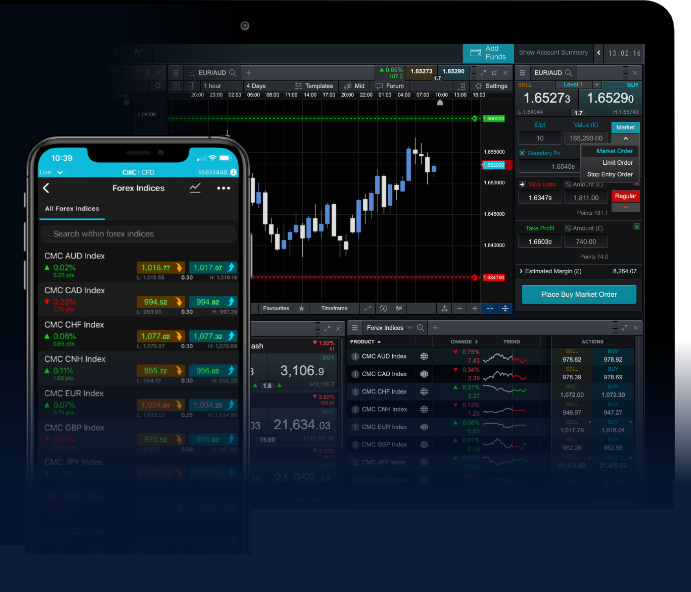
- Setting Stop-Loss Orders: A stop-loss order automatically closes a position at a specified price to limit losses.
- Using Take-Profit Orders: A take-profit order locks in profits by closing a position when a certain price level is reached.
- Position Sizing: Determining the right position size based on account size and risk tolerance can help maintain overall risk exposure.
- Diversification: Trading different currency pairs can reduce risk and increase exposure to various market movements.
The Role of Analysis in Forex Trading
Successful Forex trading relies on two main types of analysis: technical analysis and fundamental analysis.
Technical Analysis
Technical analysis involves analyzing historical price data and using charts and indicators to predict future price movements. Traders often use tools such as Moving Averages, Relative Strength Index (RSI), and Fibonacci retracement levels to identify trends and potential reversal points.
Fundamental Analysis
Fundamental analysis focuses on economic indicators, geopolitical events, and overall market sentiment to evaluate currency value. Key indicators include interest rates, employment data, and GDP growth, which can all impact currency prices significantly.
Choosing a Reputable Forex Broker
Selecting the right Forex broker is essential for a successful trading experience. Consider factors such as regulatory compliance, trading platforms, spreads, commissions, and customer support. Using a reliable broker can make a significant difference in your trading journey, as it impacts your access to the market and the quality of services provided.
Conclusion
The Forex currency market presents vast opportunities for traders willing to invest time and effort into understanding its complexities. By mastering the fundamental concepts, employing effective strategies, and implementing sound risk management practices, you can enhance your chances of success. Remember to stay informed about market developments, continuously improve your skills, and choose a reliable broker to support your trading endeavors.