Exploring Functional Design in Online Casino Platforms
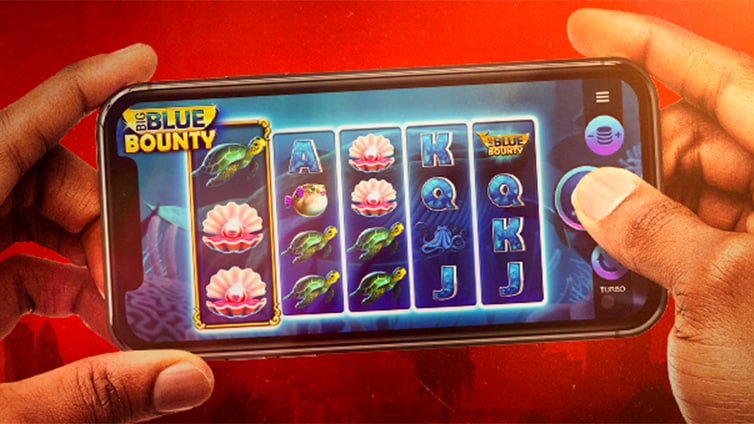
In the fast-evolving world of online casinos, Online Casino Offering Functional Design Approach betandreas-ozbek.com stands out by focusing on a functional design that significantly enhances user experience. This article delves into the critical elements of functional design in online casino platforms, highlighting its importance in the competitive online gambling industry.
The Importance of Functional Design in Online Casinos
Functional design is a core aspect of online gaming platforms that can make or break the user experience. In a market filled with options, a visually appealing design is not enough. Players seek platforms that are user-friendly, intuitive, and accessible. Functional design in online casinos ensures that players can easily navigate through various sections—such as games, promotions, and account management—without confusion.
User Interface (UI) & User Experience (UX)
The relationship between UI and UX is pivotal in the functional design of online casinos. UI refers to the look and feel of the platform, while UX is about enhancing user satisfaction by improving the usability and accessibility of the site. The most successful online casinos invest in quality UI/UX design, ensuring that players have a seamless experience from their first visit until they cash out their winnings.
A few aspects of UI and UX design that are particularly important in online casinos include:
- Clear Navigation: Effective navigation is essential for retaining players. Menus should be organized and intuitive, enabling users to find their favorite games quickly.
- Responsive Design: With many players accessing casinos via mobile devices, responsive design ensures that platforms look and function well across all screen sizes.
- Fast Loading Times: A delay in loading can frustrate players and drive them away. Optimizing site speed is therefore a priority in functional design.
- Easy Registration and Login: Simplifying account creation and login processes helps reduce barriers to entry for new players.
Visual Hierarchy and Aesthetics
Visual hierarchy involves organizing elements on a page so that users can instinctively know where to focus their attention. Effective use of color, typography, and space can guide players towards important sections, like bonuses or popular games. For instance, utilizing contrasting colors for call-to-action buttons can significantly improve click-through rates.
Moreover, aesthetics also play a major role in player engagement. A well-designed casino should evoke excitement and enjoyment through visuals without overwhelming users with clutter. The right colors, images, and themes can create an inviting atmosphere that encourages exploration.
Game Accessibility and Variety
Functional design must also address the accessibility of games. Players come from diverse backgrounds, and their preferences in terms of game types can vary widely—from slots to table games and live dealer options. An effective online casino should offer a wide variety of games while also allowing players to filter and search easily based on their preferences.
Moreover, incorporating demo versions of games can aid players in deciding which games they’d like to try for real money, enhancing the overall user experience. Developers should also ensure that the games load quickly and run smoothly without bugs or glitches that could frustrate players.
Integrating Customer Support
An integral part of functional design is robust customer support. Players may encounter issues or have questions at any moment, so providing seamless access to support is critical. Online casinos should incorporate live chat, FAQ sections, and easy-to-find contact options directly within their platforms.
Ensuring that customer support is responsive and helpful is another aspect of functional design. Clear communication and fast responses can significantly affect player retention and satisfaction rates.
Secure Transactions
Trust is paramount in online gambling. Players need to feel secure about their financial transactions. A well-designed online casino should prioritize security features, including SSL encryption, secure payment gateways, and transparent policies regarding deposits and withdrawals. Clearly displayed trust signals, like secure payment logos and large company names, can also reinforce player confidence in the platform.
The Role of Feedback and Iteration
Functional design is not a one-time project; it’s an ongoing process. Gathering feedback from users is essential in understanding how well the design meets player needs. Casinos that prioritize user feedback can make more informed decisions on design improvements, keeping them competitive in a rapidly changing market.
A/B testing different layouts, color schemes, and features can provide valuable insights that help to refine the user experience. Continuous iteration based on real user data allows online casinos to adapt to changing trends and preferences.
Conclusion
In conclusion, functional design plays a crucial role in defining the success of online casinos. By focusing on user experience, intuitive navigation, accessibility, and robust customer support, casinos can set themselves apart in a crowded market. Websites like betandreas-ozbek.com exemplify how prioritizing functional design can result in a more enjoyable and engaging gambling experience. As the online gambling landscape continues to evolve, investing in functional design will remain a key strategy for attracting and retaining players.